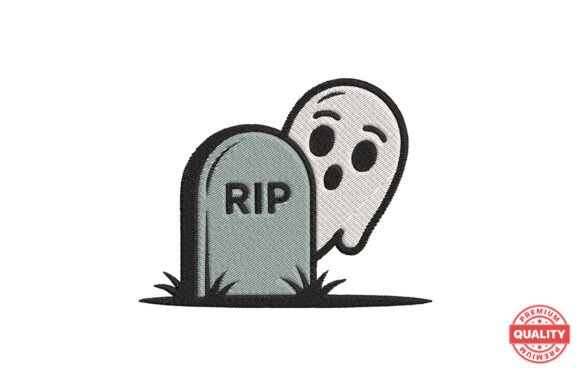
Ghost Behind Tombstone Embroidery Review
As a seasoned embroidery designer who has spent countless weekends setting up booths at craft fairs and managing digital storefronts, I know that the difference between a design that gathers dust and one that sells out by noon often comes down to immediate visual impact. When I first loaded the Ghost Behind Tombstone Embroidery file into my software, I was immediately struck by its classic appeal. It does not try to be overly modern or abstract; instead, it leans into the timeless, slightly spooky charm that defines the best of Halloween decor. For those of us selling handmade goods, this machine embroidery design feels like a reliable workhorse that bridges the gap between cute and eerie.
First Impressions: A Classic Spooky Vibe
The aesthetic of the Ghost Behind Tombstone Embroidery is instantly recognizable. It strikes a perfect balance between playful and traditional. Unlike some designs that rely on complex gradients or tiny details that get lost in translation, this motif relies on strong shapes and clear silhouettes. The ghost peeking from behind the tombstone creates a sense of narrative and movement, which is crucial for catching a customer's eye as they walk past your table. In the context of a busy craft fair, where shoppers scan dozens of items in seconds, this design stands out because it is bold enough to be seen but soft enough to feel approachable rather than frightening.
For an Etsy seller or boutique maker, this design fits seamlessly into various brand identities. Whether your shop focuses on farmhouse chic, rustic Halloween decor, or whimsical children's wear, the Ghost Behind Tombstone Embroidery adapts well. It feels premium when executed correctly, suggesting a high-quality finished product without requiring excessive thread changes or complex underlay structures.
Product Potential: Where It Sells Best
When evaluating how to turn this digital embroidery file into a physical craft fair product, I always consider the fabric texture and the intended use. Here is how I envision this design performing across different product categories:
- Tote Bags and Market Bags: This is arguably the strongest application. Placed centrally on a sturdy canvas tote bag, the Ghost Behind Tombstone Embroidery becomes a statement piece. The flat surface of the bag allows the stitch density to settle perfectly, ensuring the tombstone looks solid and the ghost appears fluffy. These bags are practical, giftable, and highly visible when customers carry them around the market.
- Apron Embroidery: An apron with this design adds a fun touch to kitchen wear. Positioned on the chest pocket or the lower panel, it serves as a great conversation starter. However, you must ensure the stabilizer is robust enough to handle the tension of an apron being worn and moved.
- Tea Towel Embroidery: Textured towels can be tricky. While the design is simple, the looped pile of a terry cloth towel might obscure fine lines. If used here, the design should be scaled up slightly to maintain clarity. A linen blend tea towel would offer a smoother surface for a more elegant look.
- Embroidered Patches: Creating patches is a fantastic way to maximize the utility of this design. You can sell them individually or sew them onto denim jackets, hats, or backpacks. Patches allow you to control the background fabric, ensuring the colors pop against a contrasting base.
- Caps and Bandanas: As noted in the product description, bandanas are excellent candidates. The curved surface of a cap requires careful hooping and potentially a smaller hoop size to avoid distortion. The design works well on the front panel of a cap, provided the scale is appropriate for the limited space.
- Pillow Covers: For seasonal home decor, this design transforms a plain pillow cover into a festive accent. It photographs beautifully for online listings, making it a top choice for digital sellers creating printable mockups alongside their physical inventory.
Practical Production Notes for the Designer
Before you commit to batch production for a weekend market, there are several technical considerations to keep in mind. The success of the Ghost Behind Tombstone Embroidery depends heavily on preparation.
Stitch Density and Detail
While the design is generally clean, pay close attention to the area where the ghost overlaps the tombstone. Dense stitch areas can sometimes cause puckering, especially on lighter fabrics like cotton tees or thin pillowcases. Always run a test on scrap fabric first. Check the thread contrast; if you are using dark fabric, ensure the white thread for the ghost is thick enough to stand out without bleeding through to the back.
Hooping and Stabilizer
The shape of the tombstone suggests vertical stability is key. Use a high-quality cutaway stabilizer for stretchy fabrics like jersey or fleece, and a tear-away for structured items like totes. If you are embroidering on a curved cap surface, verify your hoop size matches the design dimensions to prevent the edges from pulling too tight, which can distort the tombstone's straight lines.
Scalability and Clarity
This design works best as a focal point rather than a tiny accent. Avoid shrinking it below 3 inches in height, as the features of the ghost may lose definition. Small lettering, if included in any variation of the file, should be checked carefully; text often requires specific fonts or manual adjustments to remain legible after stitching.
Maximizing Sales and Visual Appeal
The ultimate goal of any small shop product is to create desire. The Ghost Behind Tombstone Embroidery achieves this by offering a familiar yet charming iconography. When displayed on a booth table, arrange your products to show variety. Place a large embroidered patch next to a finished tote bag and a pillow cover. This "lifestyle" display helps customers visualize the design in their own homes or wardrobes.
For online sales, the design's simplicity makes it ideal for photography. Clean lighting and neutral backgrounds will highlight the thread colors and stitch quality. When creating printable mockups for your Etsy listing, ensure the shadows and depth look realistic to convey the tactile nature of the embroidery. Customers buying digital files need to trust that the final result will match the preview.
Final Checklist for Commercial Success
Before launching this design commercially, take these final steps to ensure a smooth operation:
- Verify Licensing: Confirm that your commercial embroidery license allows you to sell finished goods. Some digital sellers have restrictions on the number of items sold per year.
- Test Run: Always produce at least one real mockup on each type of fabric you plan to use. Inspect the back of the stitching to ensure no loose threads mar the professional finish.
- Color Strategy: Stick to classic Halloween palettes—orange, black, purple, and white—to maintain the seasonal mood. However, do not be afraid to experiment with pastel tones for a "spooky cute" collection.
- Batch Planning: Because the design is relatively quick to stitch, it is perfect for last-minute production runs before a holiday rush. Plan your inventory based on the average stitch count to estimate production time accurately.
In conclusion, the Ghost Behind Tombstone Embroidery is a versatile asset for any creative entrepreneur. It combines the reliability of a classic motif with the flexibility needed for diverse handmade products. By paying attention to fabric choices, stabilizer usage, and display presentation, you can turn this single design into a profitable cornerstone of your Halloween collection. Whether you are sewing patches for a local fair or listing digital assets online, this design offers the perfect blend of charm and commercial viability.