Grape Harvest Wine Jug Embroidery Design Review
As a professional embroidery designer who has spent years refining brand identity for small businesses, I approach every new digital file with a critical eye. When the Grape Harvest Wine Jug Embroidery Design landed on my desk, I immediately saw its potential beyond simple decoration. This is not just a picture; it is a visual asset that speaks to heritage, craftsmanship, and rustic charm. For boutique owners, café managers, and handmade product creators, finding a design that balances aesthetic appeal with commercial viability is rare. Let's dive into how this specific machine embroidery design performs when translated from a screen to tangible merchandise.
First Impressions: A Rustic Tribute to Tradition
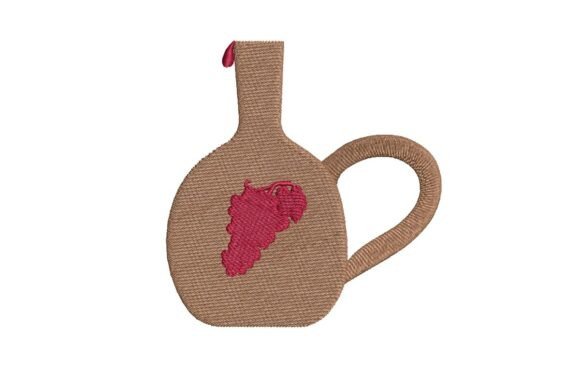
The moment you open the embroidery file, the intention is clear. The description highlights a "wonderfully rustic" style featuring a traditional wine jug with a woven texture and grape cluster motif. Visually, this design exudes a premium, handmade quality. It does not feel modern or sleek; instead, it feels timeless and grounded. For a brand looking to communicate authenticity—perhaps a local winery, a farm-to-table restaurant, or an artisanal bakery—this design hits the mark perfectly.
The isolated white background ensures that the intricate details of the woven texture and the grapes stand out without visual clutter. In the world of small business merch, clarity is king. A design that looks busy on a computer screen often turns into a muddy blob on fabric. However, the Grape Harvest Wine Jug Embroidery Design appears to have distinct outlines and defined shapes, which suggests it will translate well into thread. It feels friendly yet professional, offering a touch of elegance that elevates the perceived value of the finished product.
Real-World Applications for Business Merchandise
When evaluating a design for commercial use, I always ask: where can this actually go? The versatility of the Grape Harvest Wine Jug Embroidery Design makes it a strong contender for various applications in the custom apparel market.
- Embroidered Patches: This is perhaps the strongest use case. The woven texture mentioned in the description lends itself beautifully to the raised look of a patch. Imagine these attached to denim jackets, canvas tote bags, or the back of flannel shirts. They serve as instant conversation starters and brand markers.
- Apron Embroidery: For cafes, bakeries, or florists, staff aprons are a prime canvas. Placing this design on the bib of an apron adds a layer of sophistication to the uniform. It signals to customers that the business values tradition and quality ingredients.
- Cap Embroidery: While caps require careful sizing, the central focus of the wine jug works well on a flat front panel. It creates a cohesive look for event staff or delivery drivers, reinforcing brand recognition every time they walk by.
- Tote Bag Design: Reusable shopping bags are essential for eco-conscious brands. The rustic nature of the grape motif complements the natural fibers of canvas or cotton totes, making them perfect for farmers' markets or boutique retail packaging.
- Product Labels and Accents: Beyond clothing, consider using this as a label on wine accessories, gift boxes, or even as a detail on leather goods. It transforms a standard item into a branded experience.
Critical Considerations for Production Success
While the design is promising, experienced decorators know that execution is everything. There are specific scenarios where the Grape Harvest Wine Jug Embroidery Design requires extra attention to ensure the final result meets professional standards.
Stitch Density and Fabric Texture
The description notes a "woven texture." In embroidery, simulating texture often requires higher stitch density. If you are applying this to a heavy fabric like denim or canvas, the design should hold up well. However, if you attempt this on thin, stretchy materials like jersey knit, the high density might cause puckering. Always test the design on a scrap piece of your actual fabric first. Using the correct stabilizer is non-negotiable here; a tear-away stabilizer might not be enough for textured designs. A cut-away stabilizer will provide the necessary support to keep the stitches crisp and prevent distortion.
Sizing and Detail Retention
Do not underestimate the importance of scale. The grape clusters and the woven details of the jug are delicate. If you shrink the design too much for a tiny cap embroidery placement or a small sleeve detail, those details may disappear or merge into a single color block. I recommend keeping the design at least 3 to 4 inches wide to preserve the integrity of the motif. Before committing to a full run, create a printable mockup at the intended size to see if the details remain visible to the naked eye.
Color Contrast and Visibility
Since the original design is isolated on a white background, the thread colors chosen during digitization will dictate its visibility on dark uniforms. If you are embroidering this on a black chef's jacket or a navy blue work shirt, ensure the thread palette includes lighter tones to create contrast. Without sufficient contrast, the rustic charm will be lost, and the logo will appear as a shadow rather than a statement.
Impact on Brand Identity and Customer Trust
For small business owners, every stitch counts toward your reputation. Using a high-quality digital embroidery file like the Grape Harvest Wine Jug Embroidery Design signals professionalism. Customers associate well-executed embroidery with quality products. When a client receives a tote bag or wears a cap with a clean, detailed embroidered logo, their trust in the brand increases.
This design specifically enhances the perception of "handmade" and "artisanal." In a market saturated with mass-produced items, a rustic wine jug motif tells a story of tradition and care. It aligns perfectly with brands that sell organic wines, gourmet foods, or vintage-inspired goods. By integrating this design into your design assets, you create visual consistency across your marketing materials, uniforms, and merchandise, strengthening your overall brand presence.
Designer's Checklist Before Production
Before you send this file to your machine, follow these practical steps to guarantee success:
- Test in Black and White: Run a test stitch-out using only one color (usually black) to check the flow of the design and ensure there are no gaps or floating threads.
- Verify Hoop Size: Confirm that the design fits within your machine's maximum hoop size without needing to re-hoop, which can lead to registration errors.
- Check Licensing: Ensure you have the appropriate commercial license for the embroidery file. Do not assume personal use rights apply to business merchandise.
- Fabric Compatibility Test: Stitch the design on the exact fabric you intend to use. Check for puckering, especially around the textured areas.
- Client Approval Mockup: If working for a client, present a realistic photo mockup showing the design on the actual garment to manage expectations regarding thread sheen and texture.
In conclusion, the Grape Harvest Wine Jug Embroidery Design is a robust asset for any business aiming to project a rustic, authentic image. With careful attention to sizing, stabilizer choice, and color selection, it can transform ordinary items into memorable branded experiences. Whether for commercial embroidery projects or small batch handmade goods, this design offers the visual weight and character needed to stand out in a crowded marketplace.