Stylized Rearing Stallion Embroidery Design Review
As a designer who has spent years curating assets for both personal craft projects and commercial small businesses, I approach every new machine embroidery design with a specific set of questions. Does the silhouette hold up at scale? Will the stitch density cause puckering on heavy fabrics? Most importantly, does it translate that raw energy into a tangible texture that customers will love? The Stylized Rearing Stallion Embroidery Design immediately caught my eye not just for its subject matter, but for how it handles the complex motion of a horse in a monochrome format. This is a review based on practical application, visual impact, and real-world stitching scenarios.
The First Impression: Capturing Motion in Thread
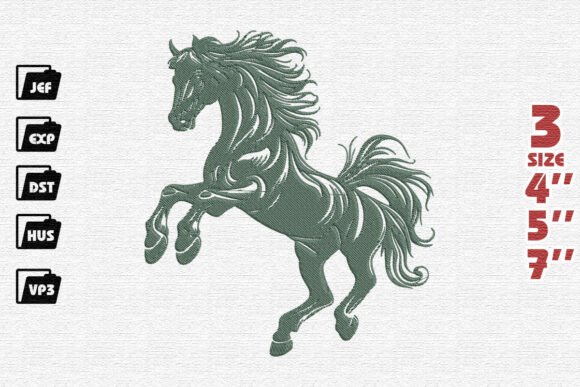
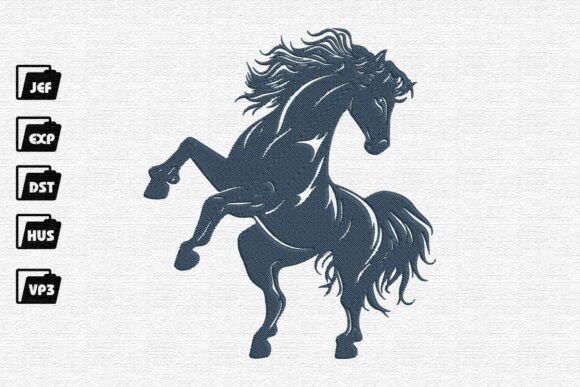
When you first load this embroidery file into your software, the mood is undeniable. It is bold, aggressive, and undeniably majestic. The design features a stallion in a rearing pose, a classic motif in the world of Horses art, but executed here with a stylized edge that feels modern rather than kitschy. The monochrome nature of the design is its strongest asset; by stripping away color distractions, the focus shifts entirely to the form, the muscle definition, and the dynamic lines of the animal's posture.
Visually, the layout suggests power. The way the legs are positioned creates a sense of upward momentum, which is crucial for an embroidery project meant to be seen from a distance or as a statement piece. For an Etsy seller or a boutique owner looking to add a touch of rugged elegance to their inventory, this design offers a high-contrast look that stands out against almost any background. However, before committing to production, I always scrutinize the line work to ensure it won't get lost when stitched.
Real-Life Application: From Hoop to Finished Product
To truly understand the value of the Stylized Rearing Stallion Embroidery Design, I imagined a specific use case: creating a limited run of custom hooded sweatshirts for a local equestrian event team. In this scenario, the design would be placed on the back of a heavyweight cotton blend. The monochrome style allows for flexibility in thread colors; you could use a deep charcoal grey on black fabric for a tonal, sophisticated look, or a stark white on navy blue for maximum visibility.
In terms of execution, the design relies heavily on fill stitch to create the body of the horse, likely using directional changes to mimic muscle flow. This is where the quality of the digital embroidery file becomes critical. If the fill angles are too uniform, the horse might look flat. If they are varied correctly, the texture of the thread will catch the light, giving the stallion a three-dimensional feel even without color gradients. For a handmade product like a tote bag or a canvas apron, this level of detail adds significant perceived value. Customers buying these items are often looking for something that feels artisanal and unique, not mass-produced.
I also considered using this as an embroidered patch. Because the design is stylized and lacks tiny, intricate details that might unravel, it is an excellent candidate for patches that can be ironed onto denim jackets or sewn onto backpacks. The strong outlines typical of this style ensure that even if the edges fray slightly over time, the image remains recognizable. This durability is a key factor for small shop products that need to withstand daily wear and tear.
Navigating Challenges: Fabric and Hoop Considerations
While the Stylized Rearing Stallion Embroidery Design is robust, it is not without its challenges. As with any large, dynamic design, the hoop size is a limiting factor. You cannot simply shrink this down to fit a 4x4 hoop without losing the integrity of the pose. The rearing stance requires vertical space; compressing it will distort the anatomy and make the horse look awkward. Always check the dimensions of the file against your machine's capabilities before starting.
Fabric choice is equally important. On thin materials like lightweight t-shirts or silk scarves, the density required to render the stallion's powerful muscles could lead to puckering. In these cases, using a heavy-duty stabilizer is non-negotiable. You might also consider reducing the stitch count slightly if the software allows, to lighten the load on delicate fibers. Conversely, on textured fabrics like fleece or thick wool blends, the running stitch outlines might get lost in the nap of the material. A test run on scrap fabric is essential here to see how the threads sit against the surface.
Another area of caution is dark fabric. While the design is monochrome, stitching a light-colored horse on a dark background requires precise tension. If the satin stitch used for outlines is too loose, the dark fabric will show through, breaking the illusion of the solid shape. Properly adjusting your tension and selecting a high-quality polyester thread can mitigate this issue, ensuring the finished product looks professional and crisp.
Design Judgment: Value, Trust, and Commercial Viability
For creative entrepreneurs, the decision to use a specific design asset goes beyond aesthetics; it impacts brand consistency and customer trust. The Stylized Rearing Stallion Embroidery Design exudes a sense of strength and freedom, making it ideal for brands targeting outdoor enthusiasts, riders, or anyone who appreciates untamed spirit. When a customer receives a personalized gift featuring this design, the quality of the stitching directly reflects on your reputation.
Using a well-constructed design like this elevates the perceived value of your custom apparel. It moves the item from a simple commodity to a collectible piece. However, remember that the final look depends on your execution. Always create a printable mockup or a physical sample before listing items for sale. This allows you to visualize how the design interacts with different fabric textures and lighting conditions.
Furthermore, if you plan to sell the finished goods or offer this as part of a digital bundle, you must confirm the licensing terms. Some commercial embroidery files have restrictions on the number of items you can produce or whether you can resell the digital file itself. Ensuring you have the right permissions protects your business and maintains your integrity as a maker.
Practical Notes for the Designer
If you decide to incorporate the Stylized Rearing Stallion Embroidery Design into your workflow, keep these practical tips in mind:
- Test on Scrap Fabric: Never skip the test run. Stitch it on a piece of the actual fabric you intend to use to check for puckering and alignment.
- Check Thread Contrast: Experiment with different thread shades to see what pops best against your chosen background.
- Verify Stabilizer Needs: Given the likely density of the fill stitches, invest in a cutaway stabilizer for stretchy or knit fabrics to maintain shape.
- Inspect Small Details: Zoom in on the file to ensure the mane and tail details are distinct enough to stitch cleanly without bird nesting.
- Consider Light vs. Dark: Prepare separate color schemes for light and dark fabrics to ensure the design remains visible in all contexts.
- Licensing Check: Confirm you have the rights to use this design for commercial embroidery projects, especially if selling on platforms like Etsy.
In conclusion, the Stylized Rearing Stallion Embroidery Design is a powerful addition to any designer's library. It captures the essence of the horse with a modern flair that works well across various applications, from holiday embroidery gifts to permanent branding on custom apparel. With careful attention to fabric choice, stabilizer usage, and proper testing, this design can become a standout feature in your portfolio, delivering a finished product that is as dynamic and spirited as the stallion itself.